Shipping a Car You Bought Online: A Guide for Online Car Buyers
What online car buyers need to arrange after the purchase
If you are one of the online car buyers who just won an auction or paid a seller three states away, the car will not drive itself home. Most buyers hire a carrier within a day or two of paying, because many sellers and auction yards start charging storage fees after 3 to 5 days.
Start with three facts: where the car sits, whether it runs, and who will hand it over. Everything else, from price to pickup date, follows from those.
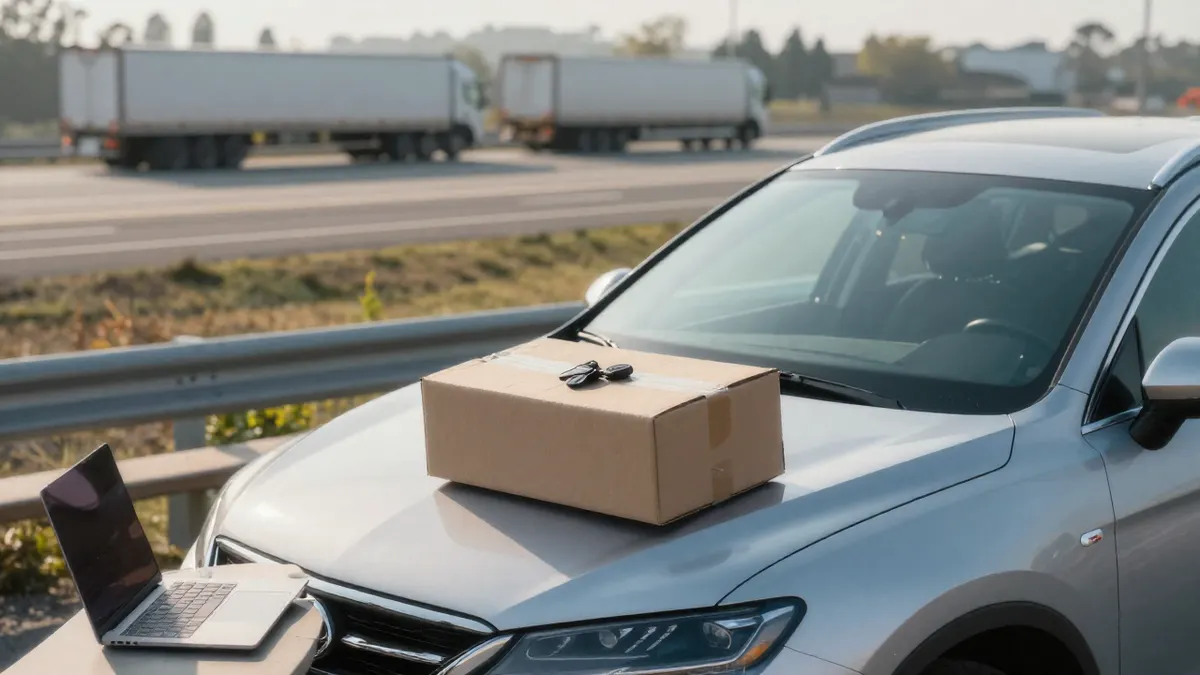
Open or enclosed transport for a car you found online
Open carriers move most cars. They hold 8 to 10 vehicles, cost less, and are the standard choice for daily drivers, trucks and used sedans. Expect road dust, nothing worse in normal conditions.
Enclosed trailers carry 1 to 6 cars and usually cost 30 to 60 percent more. They make sense for classics, exotics and anything with low ground clearance or a paint job you care about. For a 2018 Honda Accord, open is fine. For a restored 1967 Mustang, pay for enclosed.
How much does it cost to ship a car you bought online
Prices move with distance, vehicle size, season and fuel. As rough, indicative figures for an open carrier, a trip of 500 miles often starts around $600 to $800. Cross-country runs of 2,500 miles or more commonly land between $1,200 and $1,800 for a standard sedan.
Add roughly $100 to $250 for an SUV or pickup. Inoperable vehicles that need a winch can add $150 or so. Door-to-door service is common, but a large truck cannot always enter a narrow street, so you may meet the driver in a parking lot nearby.
Timing changes the number too. Winter holidays and the summer rush push rates up, and learning the cheapest time to ship can save a few hundred dollars if your purchase is not urgent.
How long delivery takes
Transit is the easy part to estimate. A driver covers about 400 to 500 miles a day, so a 1,000-mile trip takes 2 to 3 days on the road and a coast-to-coast trip takes 7 to 10.
The pickup window is the slow part. Once you book, the car is usually collected within 1 to 5 days, though remote addresses can take longer. Plan for the whole job to take 1 to 2 weeks on longer routes.
Buying from a dealer versus a private seller
Dealers often have a transport partner and can hand over the car on a set schedule. Some also arrange dealer-to-dealer car shipping when the vehicle sits at another lot and needs to reach the one nearest you. Ask what the dealer charges before you assume it is the best price, because you can compare it with an independent quote.
Private sellers are less predictable. Confirm they will be present, hold the title and keys, and let the driver load the car. A seller who disappears on pickup day can cost you a missed slot and a re-dispatch fee.
Auction yards add their own rules. Many require pickup within a few days and demand a gate pass, which the driver must show on arrival. Send that document to the carrier early.
Paperwork and steps before pickup
Keep it short and organized. Before the truck arrives, do these:
- Pay the seller and confirm you will receive the title or a clear title release.
- Photograph the vehicle if a seller can send dated pictures of every side.
- Tell the seller the car should hold under a quarter tank of fuel.
- Remove personal items and toll tags, since carrier insurance rarely covers loose belongings.
- Share a contact who can sign the inspection report if you cannot be there.
For a fuller walkthrough of each stage, from quote to delivery, read about the car shipping process before you commit to a carrier.
Inspecting the car at delivery
The bill of lading is your record. At pickup, the driver notes existing scratches and dents. At delivery, walk around the car with that report in hand, in daylight if you can, and check the roof, bumpers and underside.
Note any new damage on the report before you sign. Signing a clean report and finding a dent later makes a claim very hard. Carriers must carry cargo insurance, commonly $100,000 or more per load on open trailers, but ask for the certificate and check the deductible.
Frequently Asked Questions
Can I ship a car before I receive the title?
Usually yes. Carriers move cars on a bill of lading, not on a title. You will still need the title to register the vehicle, so make sure the seller sends it promptly after payment.
Do I have to be there when the car is delivered?
Not necessarily. Anyone you name can inspect the car and sign for it. Choose someone careful, because that signature closes the door on most damage claims.
Is it cheaper to drive the car home myself?
On short trips sometimes. Over 800 miles or more, fuel, hotels, a flight there and lost work days often exceed a carrier quote, and you add miles and wear to the car.
Can I ship a car that does not run?
Yes, with a carrier that has a winch. Say so when you request quotes, since a surprise at pickup can lead to a refused load or an extra fee of about $150.