Secure Transportation With Enclosed Trailers: What to Know Before You Ship
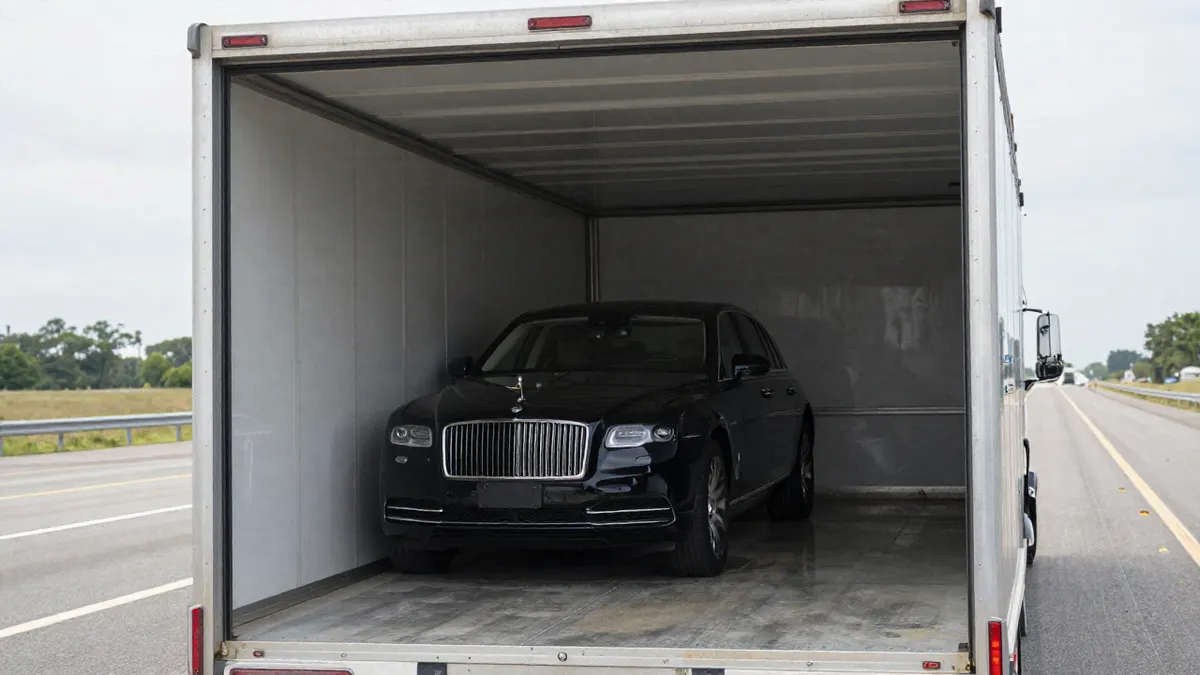
Secure transportation with enclosed trailers means your car travels inside a sealed box, out of sight and out of the weather, for the whole trip. Road debris, hail, salt spray and curious hands never get near the paint. Most enclosed trailers hold between 1 and 7 cars, and the price runs roughly 30% to 60% higher than an open rig on the same route.
That premium buys protection. Whether it buys something you actually need is the real question.
Who Should Use an Enclosed Trailer
Classic cars, exotics, race cars, restored muscle cars and anything with a low front splitter are the obvious candidates. A car worth more than about $75,000 usually belongs in a box, and so does one with fresh paint or irreplaceable original trim.
A daily driver is different. A 2019 Honda Accord going from Ohio to Arizona will arrive fine on a standard deck, and open carrier auto transport costs far less. Paying extra for a sealed trailer on an ordinary sedan is rarely worth it, though it makes sense if you simply want zero chance of rock chips.
How Enclosed Carriers Differ From Open Ones
An open hauler carries 8 to 10 vehicles on two exposed decks. An enclosed unit is smaller, typically a 24 to 53 foot trailer with walls and a roof. Fewer cars per truck is the main reason the cost per mile is higher.
- Hard-sided walls and a locked rear door
- Hydraulic liftgates on many trailers, so low cars load at a gentle angle
- Soft straps over the tires rather than chains on the frame
- Higher cargo insurance limits, often $250,000 or more per load
Drivers of enclosed rigs also tend to haul fewer cars a year, which means more time spent on each one.
Secure Transportation With Enclosed Trailers: Typical Costs
Expect roughly $1,000 to $1,800 for a trip of 500 to 1,000 miles, and about $1,800 to $3,200 for a coast to coast run of 2,500 miles or more. Those are rough figures only. Fuel prices, season, the car's weight and whether it runs all change the quote.
Winter routes through the northern states cost more, and so do trips out of small towns far from main highways. Booking flexibility on the pickup date can lower the number by a few hundred dollars.
Weather, Seasons and Your Car
A sealed trailer takes road salt, sleet and sun off the table. If you ship in January across the Midwest, the cold weather car effects on batteries, tires and fluids still matter even though the car is covered. The trailer is not heated, so the cabin air can drop well below freezing overnight.
Check the battery and top off washer fluid and coolant before pickup. In summer, an unventilated box can climb past 100°F on a long day, so ask the carrier about parking in shade during stops.
Door-to-Door and Terminal Options
Most enclosed haulers can reach your street, but a 53 foot trailer cannot turn into every cul-de-sac. When that happens, the driver may ask to meet you at a large parking lot nearby. Understanding how door-to-door car shipping works in practice saves you a surprise on pickup day.
Terminal drop-off is cheaper but leaves the car sitting in a lot, which defeats part of the point of enclosed shipping. Avoid it for high-value vehicles.
What About Motorhomes and Larger Vehicles
Standard enclosed trailers will not fit a motorhome or a tall camper van. Height limits sit around 10 to 11 feet inside, and weight limits near 10,000 pounds per vehicle on many units. For anything larger, look into recreational vehicle transport, which uses different equipment, such as tow-away services or specialized hauling.
Checking a Carrier Before You Commit
Ask for the carrier's USDOT and MC numbers and confirm them on the FMCSA website. Request a certificate of insurance and read what it excludes. Many policies skip personal items left inside the car, and some void coverage if the vehicle is not running.
On pickup day, photograph every panel with the date stamp on. Sign the bill of lading only after you agree with the condition report, and repeat the check at delivery in daylight if you can.
Frequently Asked Questions
Is enclosed shipping safer than open shipping?
It lowers the risk of weather damage, flying debris and theft. Accident risk on the road is similar, though enclosed drivers often handle fewer, higher-value cars. Insurance limits are usually higher too.
How long does enclosed transport take?
Coast to coast usually takes 7 to 10 days, and shorter trips of under 1,000 miles take 2 to 4 days. Because enclosed trailers carry few cars, the driver may wait to fill a load, so pickup windows can be wider.
Can I leave personal items in the car?
Most carriers allow up to about 100 pounds in the trunk, but their insurance rarely covers those items. Remove valuables, toll tags and loose accessories before pickup.
Do enclosed trailers fit lowered cars?
Many do, thanks to liftgates and extended ramps. Tell the carrier the exact ground clearance in advance so the right trailer is sent.